Ecologies of Perception
Light, sound and scent installation
2024SCROLL ↓A project about the visual effects of psilocybin and its therapeutic power — neurostimuli of light, sound and scent composing an altered state of consciousness as a therapeutic end.
Light, sound and scent installation — 2024
Spiritualists and scientists have been studying in psilocybin an experience of the deepest areas of the psyche, never reached in ordinary states of consciousness. Promising studies report its therapeutic potential in the treatment of refractory depression and other disorders of the mind, and show a great relationship with conventional neuropharmacology — psilocybin is capable of performing changes in nerve conductions, opening a spectrum of possibilities in psychedelic-assisted psychotherapy. What was once just spirituality is today allied to science.
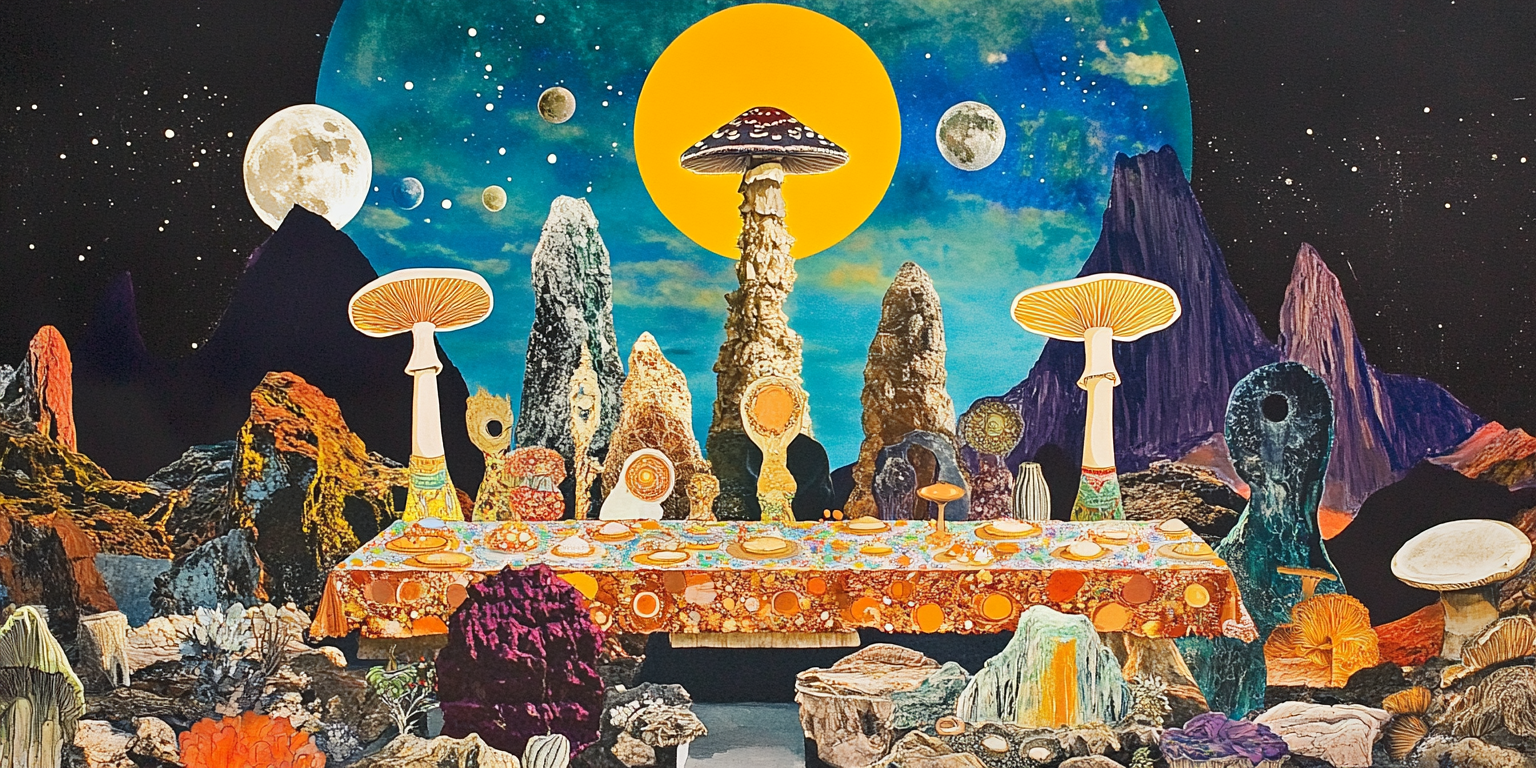
The visual effects include profound perceptual-cognitive changes: visual and sensory hallucinations, auditory distortions, synesthesia, well-being and ego death. This project suggests that we can expand the cognitive studies of psilocybin by reproducing those visual effects and creating visual, sensory and auditory neurostimuli based on applied studies, which suggest an alteration of consciousness as a therapeutic end.
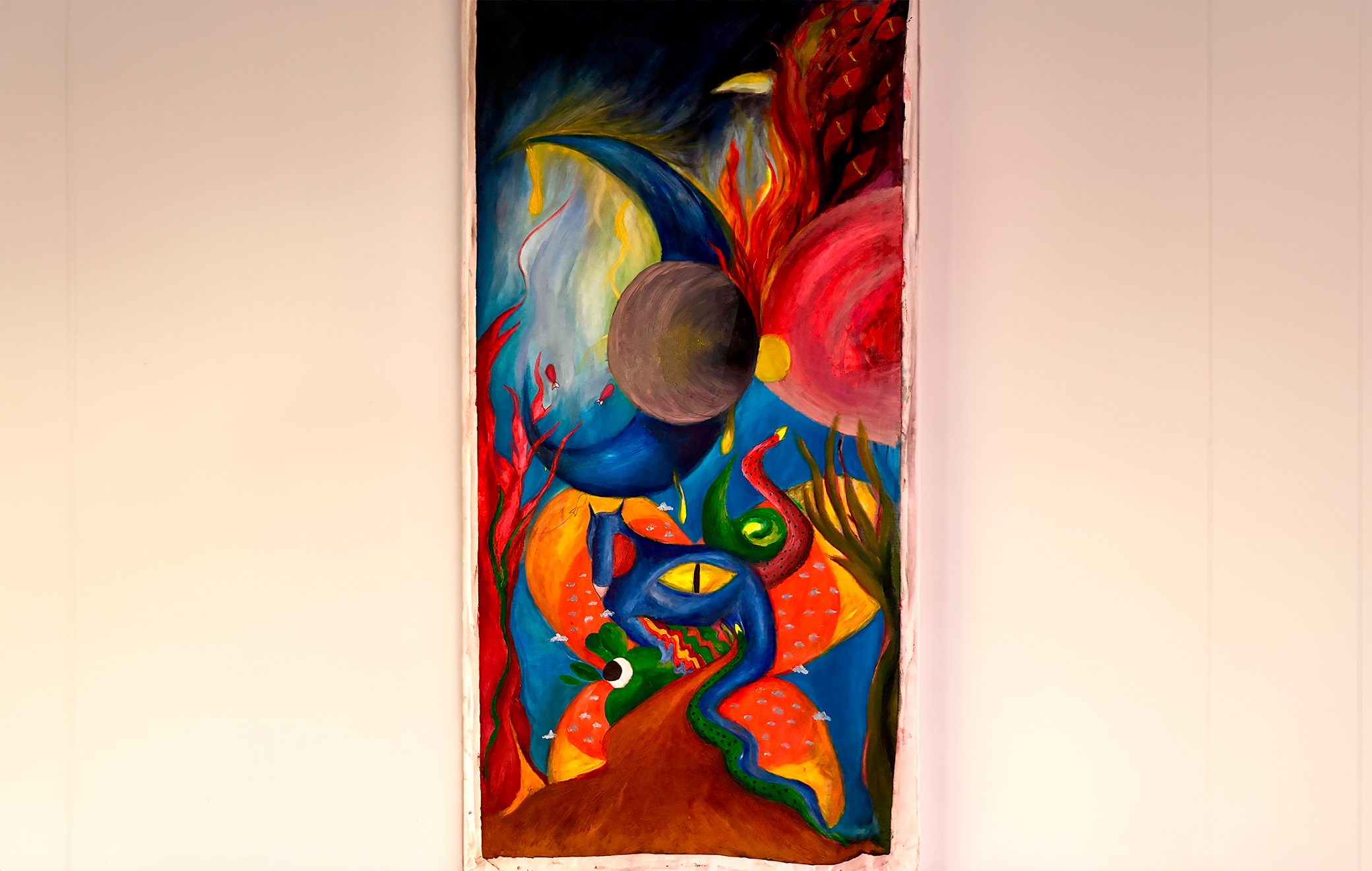
The project emerged from a self-experiment, as a patient — autistic and highly qualified — using different types of magic mushrooms in different quantities. During these experiments I recorded my reactions and created a diary as the process progressed: paintings, making-of videos, and the diaries in three languages (Portuguese, Spanish and English).
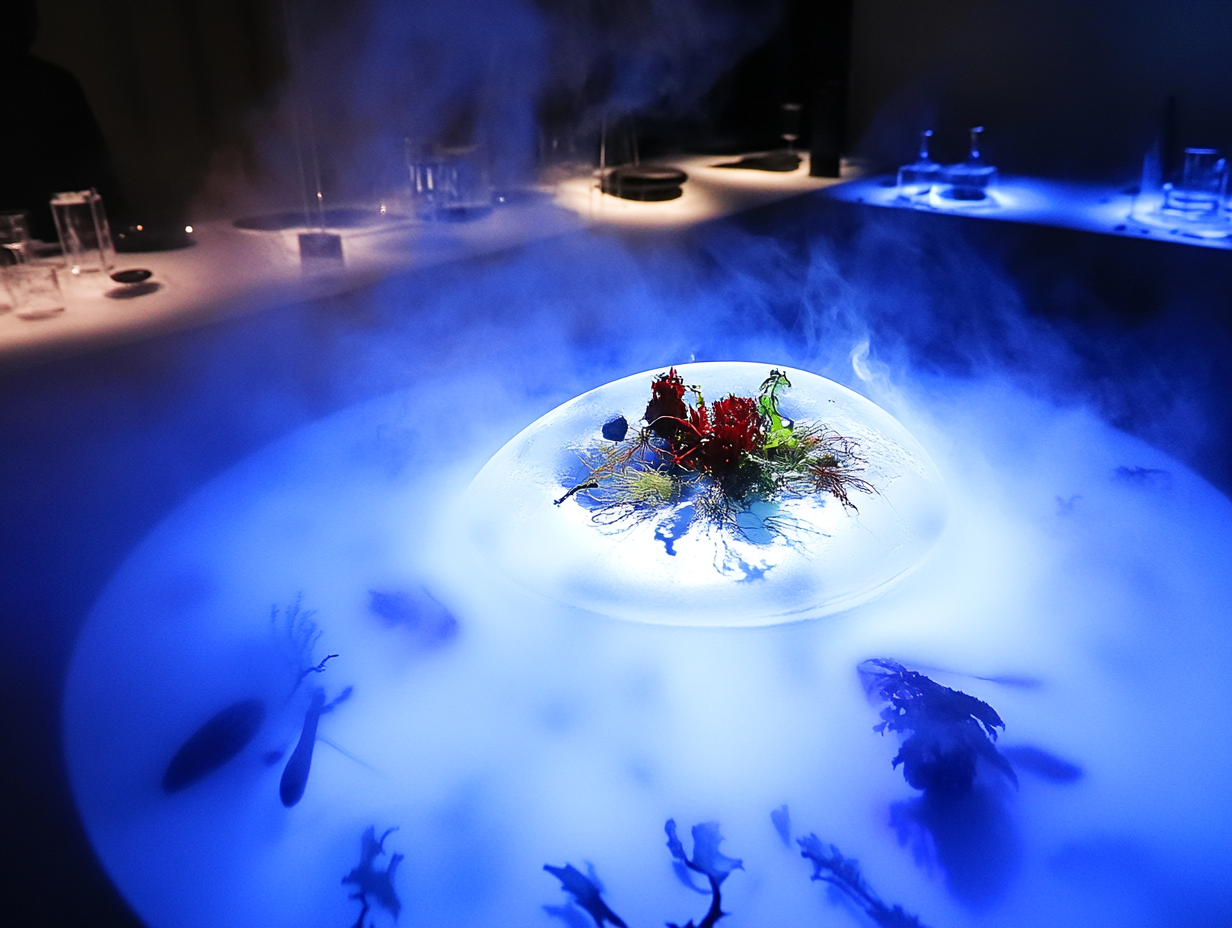
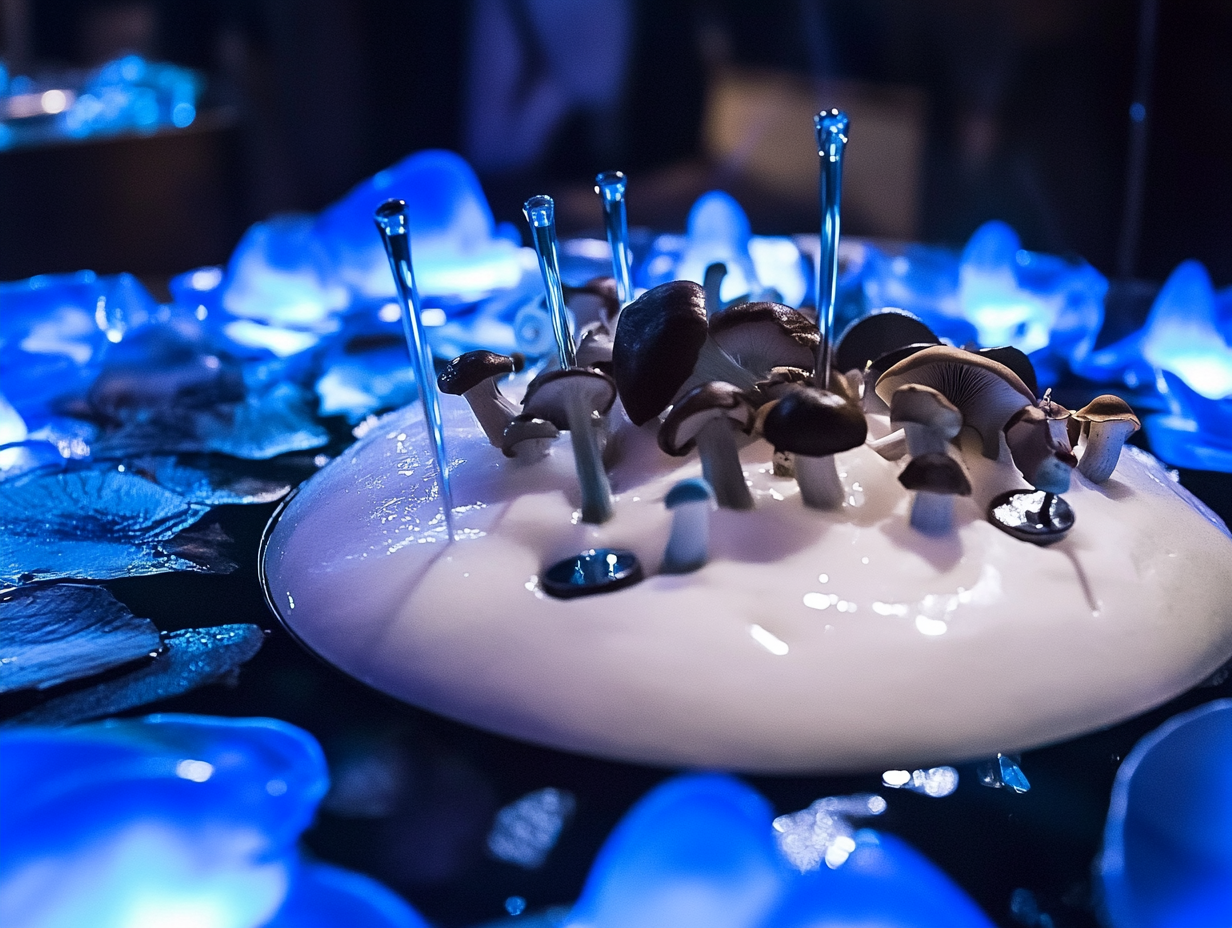
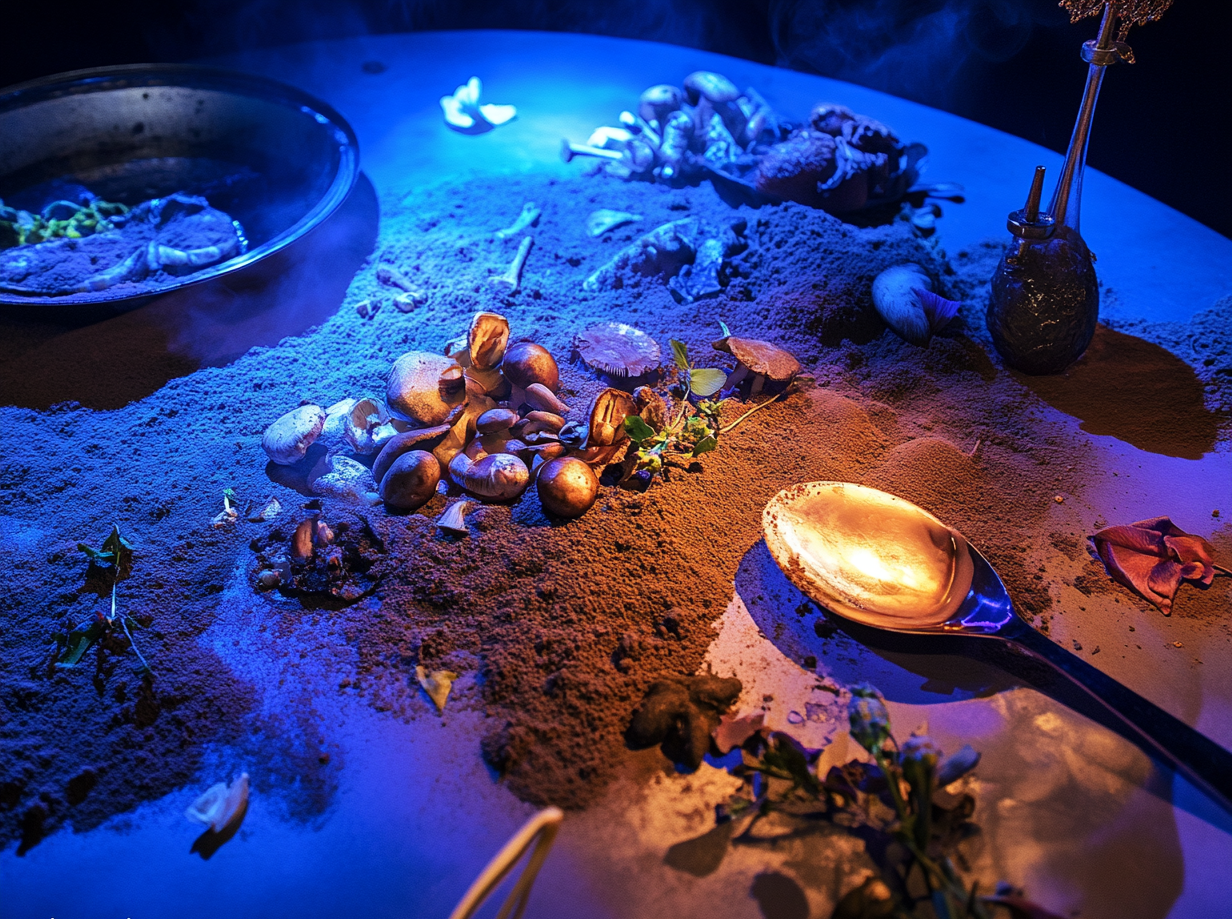
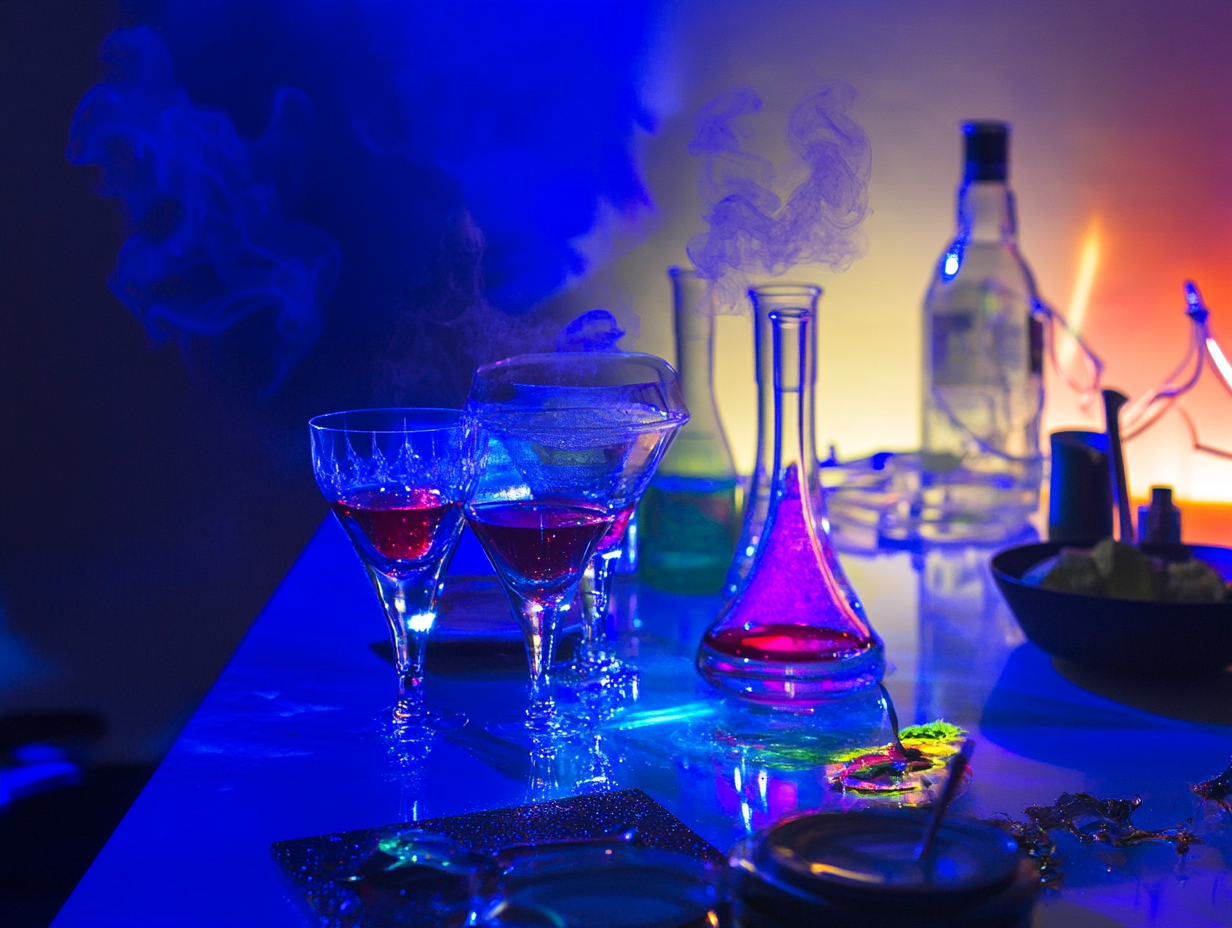
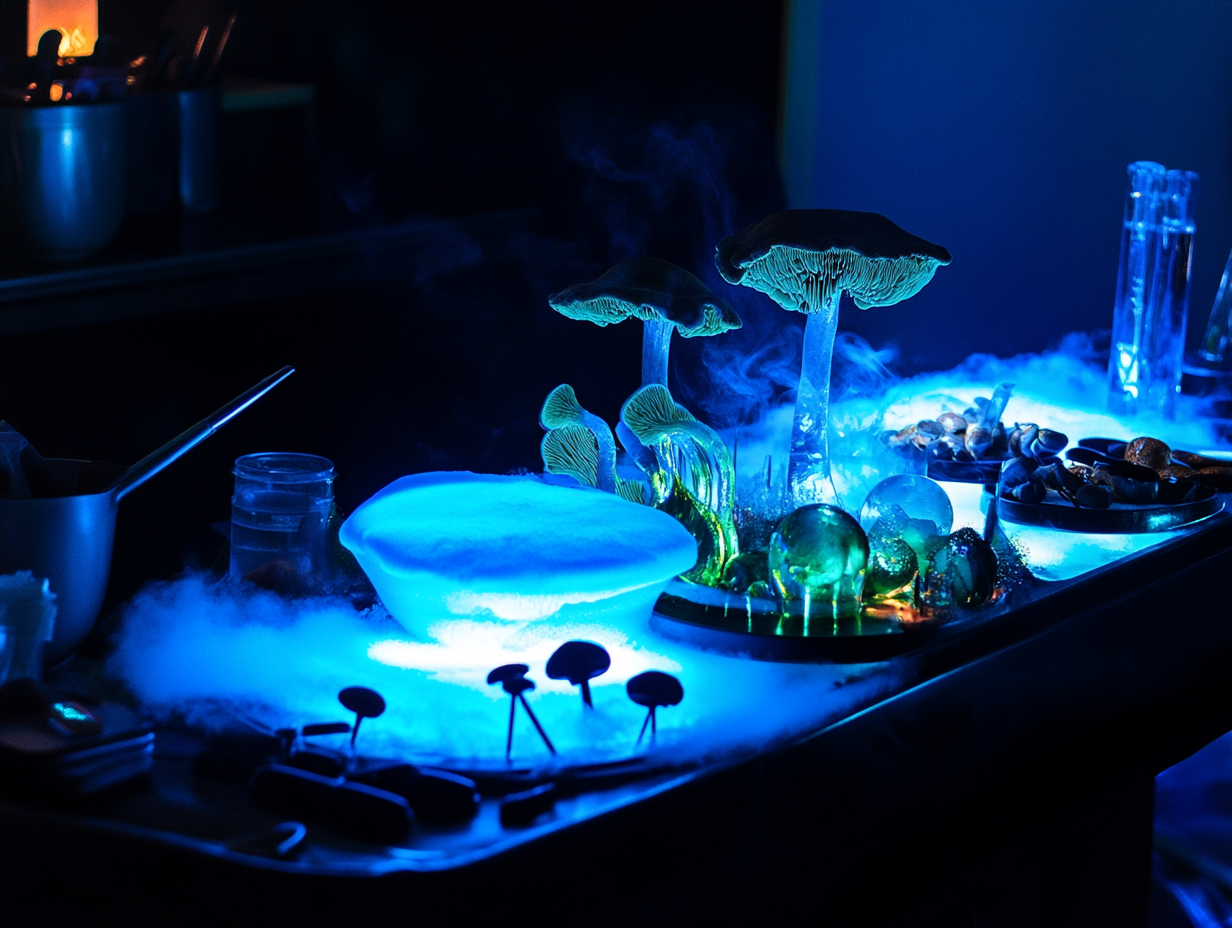
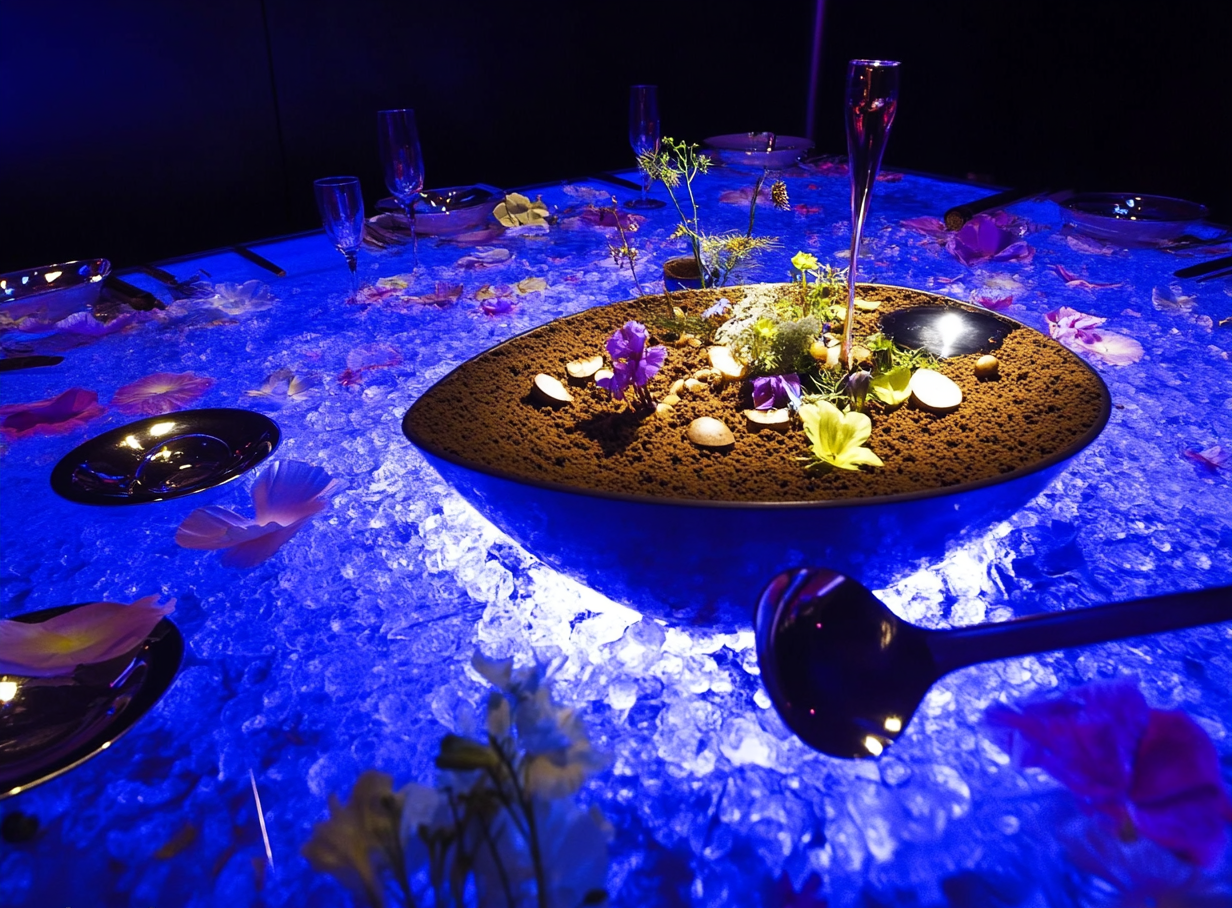
A complete immersion in all the senses, inducing an alternation of consciousness — a welcoming environment of spiritual and creative expansion. The immersion covers gases and smells, sound, vibrations, light, mapping and visuals, food and drinks, using advanced knowledge of neuroscience and sensory psychology.
When ingested, psilocybin is converted into psilocin in the body, which acts mainly on serotonin receptors (5-HT2A) in the brain. This mechanism is responsible for its hallucinogenic properties, altering sensory, cognitive and emotional perception. Psilocin increases neural connectivity, allowing communication between regions of the brain that normally do not interact so intensely.

Ecologies of Perception