Discourses of Necropolitics
Photographic research on necropolitics
2021ROLAR ↓How death, disposability and systemic violence are normalized, aestheticized and operationalized in contemporary society.
Photographic research on necropolitics — 2021

Discourses of Necropolitics investigates the mechanisms through which death, disposability, and systemic violence are normalized, aestheticized, and operationalized in contemporary society.
Drawing from Achille Mbembe's concept of necropolitics, the project examines how states, institutions, and media construct narratives that determine which lives are grievable, visible, or valuable.
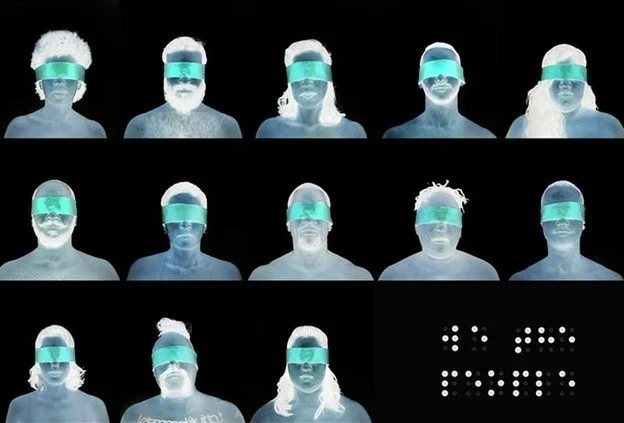
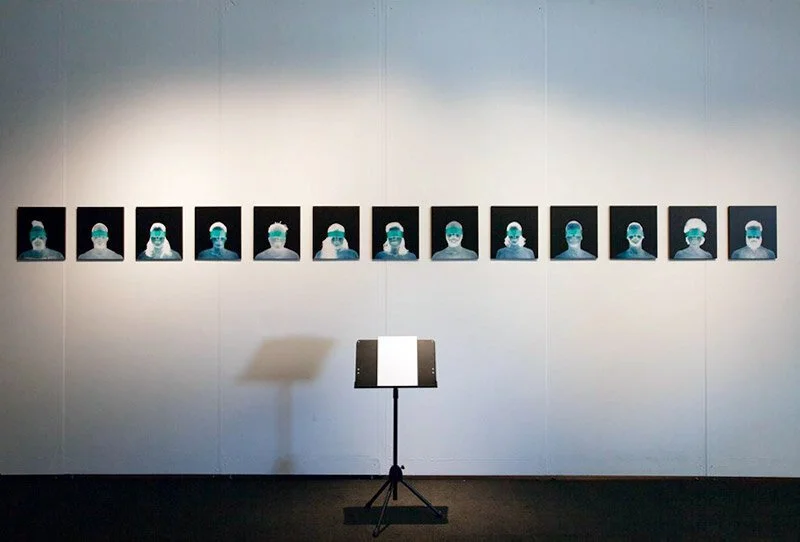
Reproductions in larger formats of biometric photographs, rehearsing the notion of identification even in the face of democratic erosion. The search for identity originates in a space of biopolitical crisis and is a direct consequence of colonization.
The 13 portrayed individuals — Indigenous, African-American, and Latinx — represent the 13 stripes of the American flag, or the original 13 colonies. The "afterimage" effect suggests not only a revelation of the images themselves but also a space for reflection: when the viewer stares at the negative image for 30 seconds, the eyes attempt to continue the image on a blank surface.
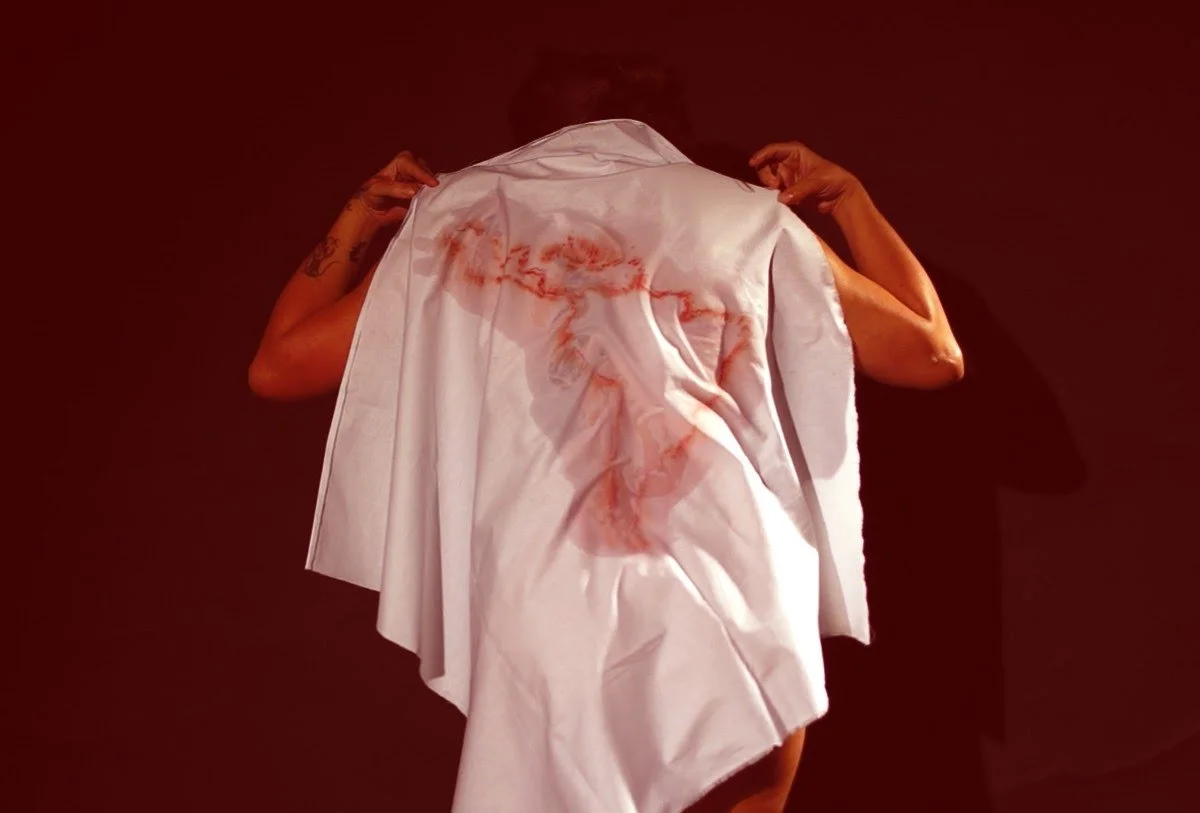
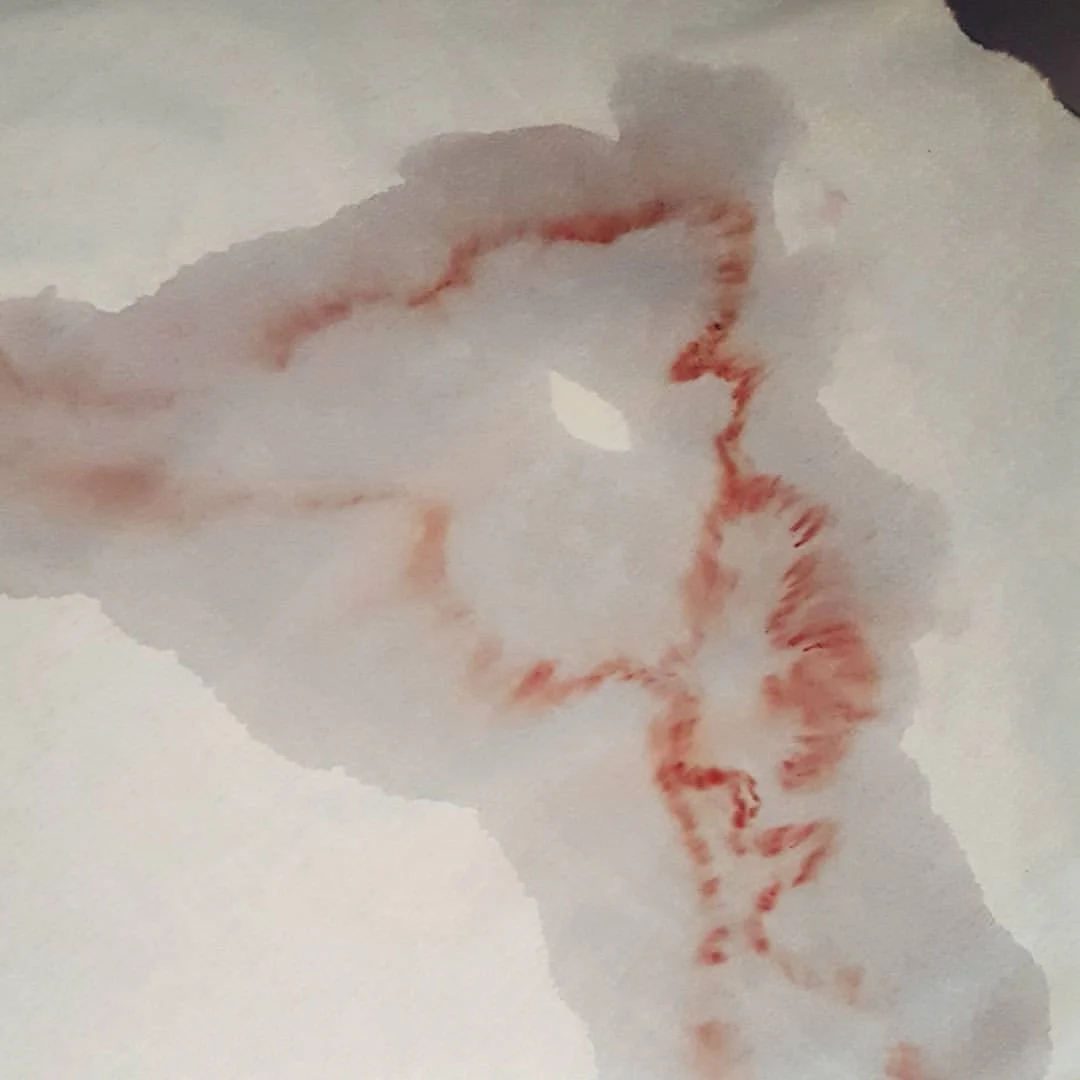
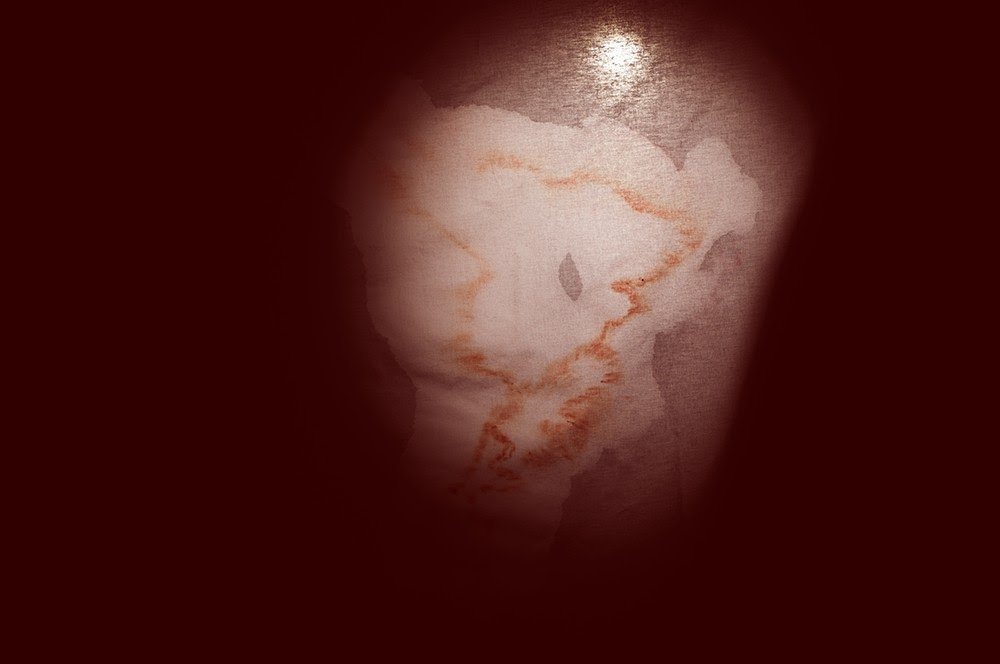
The negative view in which the works are displayed may represent the perception of the privileged — those who believe that "we are all equal" under the law, the constitution, and history. But we are not. Blood was spilled for these red stripes so that something could be built. Our blood. "We the people."
Discourses of Necropolitics